
Self-Esteem Counseling
Self-esteem can influence nearly every part of how we experience our lives. It affects the way we talk to ourselves, approach relationships, respond to challenges, make decisions, and view our own abilities. When self-esteem is low, even everyday situations can feel more difficult. A simple mistake may feel like proof that you are not good enough. A compliment may be difficult to accept. Setting boundaries can feel selfish, and comparing yourself to other people can become almost automatic.
At Bridges Therapy and Wellness Center, we understand that struggles with self-esteem are often about much more than simply “being confident.” Low self-esteem can develop from difficult experiences, criticism, trauma, relationship problems, perfectionism, anxiety, depression, bullying, or years of negative beliefs about yourself. Our self-esteem counseling in Fairfax is designed to help individuals understand where these patterns come from and develop a healthier, more balanced relationship with themselves.

What Is Self-Esteem?
Self-esteem refers to the way we perceive and evaluate ourselves, including our sense of worth, competence, and value. Healthy self-esteem does not mean believing that you are perfect or feeling confident all the time. Instead, it involves being able to recognize both your strengths and imperfections without allowing mistakes or setbacks to determine your overall sense of worth.
Everyone experiences moments of self-doubt. However, when negative beliefs about yourself become persistent, they can begin to interfere with your emotional well-being and daily life.
You may find yourself thinking:
- “I’m not good enough.”
- “Everyone else is doing better than me.”
- “I always mess things up.”
- “People will eventually realize I’m not worth being around.”
- “I have to be perfect.”
- “My needs aren’t as important as everyone else’s.”
- “I don’t deserve good things.”
- “If I say no, people won’t like me.”
These thoughts can become deeply ingrained over time. Self-esteem therapy in Fairfax, VA can provide a space to examine these beliefs rather than automatically accepting them as facts.
Signs You May Be Struggling With Low Self-Esteem
Low self-esteem does not look exactly the same for everyone. Some people become withdrawn and avoid situations where they might be judged, while others become perfectionistic or constantly seek reassurance from others.
You may benefit from self-esteem counseling if you regularly experience:

You may be much harder on yourself than you would ever be toward another person. Small mistakes can lead to hours of replaying what happened and criticizing yourself for what you “should” have done differently.

Difficulty Accepting Compliments
Someone may tell you that you did a great job, look nice, or handled something well, but you immediately dismiss it. You may assume they are just being polite rather than allowing yourself to recognize the positive feedback.

Comparing Yourself to Others
Sometimes depression is connected to grief, trauma, relationship difficulties, major transitions, chronic stress, or other experiences that have been difficult to process. Having a safe place to explore those experiences can help you better understand their impact.
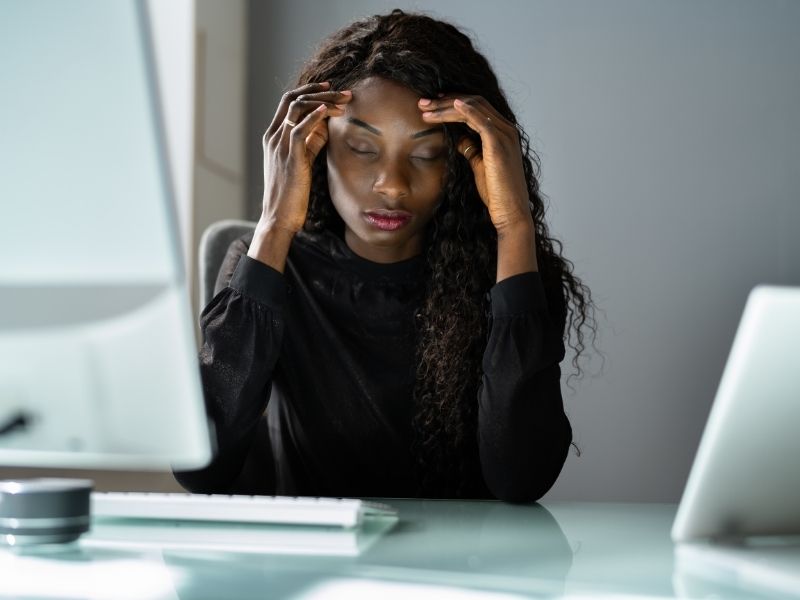
Low self-esteem can sometimes make it difficult to express your own needs. You might agree to things you don’t want to do, avoid conflict at all costs, or feel responsible for keeping everyone else happy.

Difficulty Setting Boundaries
You may worry that saying no makes you selfish, rude, or difficult. As a result, you may repeatedly put other people’s needs ahead of your own.

Fear of Failure
When mistakes feel like evidence that you are inadequate, trying something new can become intimidating; you may avoid opportunities because you are afraid of getting something wrong.

You may frequently need other people to confirm that you are doing okay, that they are not upset with you, or that you are making the right decision. While reassurance can be helpful occasionally, constantly relying on it can reinforce self-doubt.
Difficulty Believing You Deserve Good Things
Low self-esteem can affect relationships, career decisions, friendships, and personal goals. You may settle for situations that do not make you happy because part of you believes you should not expect more.
These experiences can occur on their own or alongside other mental health concerns. Low self-esteem is also commonly associated with concerns such as anxiety and depression. The American Psychological Association lists low self-esteem among symptoms that can occur with depression, along with feelings of hopelessness, guilt, worthlessness, and difficulty concentrating.

What Can Cause Low Self-Esteem?
There is rarely one single reason someone struggles with self-esteem. Our perception of ourselves develops over time and can be shaped by relationships, experiences, environments, and the messages we receive from other people.
For some individuals, self-esteem difficulties can be traced back to childhood experiences. Frequent criticism, unrealistic expectations, bullying, family conflict, or feeling that approval had to be earned can influence the way a person learns to view themselves.
Other people may experience a decline in self-esteem after a major life event. Divorce, a difficult breakup, job loss, academic struggles, becoming a parent, moving, relationship difficulties, or other significant transitions can cause someone to question their identity or abilities.
Trauma can also influence self-worth. Experiences that leave you feeling powerless, unsafe, rejected, or responsible for something that was not your fault can contribute to negative beliefs about yourself.
At Bridges Therapy and Wellness Center, we don’t believe that you should simply force yourself to “think positively.” Instead, our approach focuses on understanding the experiences and thought patterns contributing to your current struggles.

How Self-Esteem Counseling Can Help
Our self-esteem counseling in Fairfax, VA provides an opportunity to slow down and look at the beliefs you have developed about yourself. Therapy can help you identify patterns that may be difficult to recognize on your own and begin developing healthier ways of thinking and responding.
Psychotherapy is a collaborative process. The American Psychological Association describes therapy as a supportive environment where individuals can work with a trained professional to identify and change thought and behavior patterns that may be keeping them from feeling their best.
Depending on your individual needs, self-esteem therapy may focus on:
- Identifying negative self-talk
- Challenging unrealistic or overly critical thoughts
- Understanding where negative beliefs originated
- Developing greater self-compassion
- Learning to set healthy boundaries
- Building confidence in decision-making
- Reducing people-pleasing behaviors
- Addressing perfectionism
- Developing healthier relationship patterns
- Processing difficult past experiences
- Improving communication skills
- Learning to respond differently to mistakes and setbacks
- Building a stronger sense of identity and personal values
The goal is not to make you feel confident every moment of every day. Life will still involve criticism, disappointment, uncertainty, and mistakes. Instead, we want to help you develop the internal foundation to navigate those experiences without automatically turning against yourself.
Self-Esteem and Anxiety
Self-esteem and anxiety can often reinforce one another. When you do not feel confident in yourself, you may spend more time worrying about what other people think. You might replay conversations, fear making mistakes, or constantly anticipate rejection.
For example, someone with low self-esteem may avoid speaking up at work because they are afraid their idea will be criticized. Avoiding the situation may provide temporary relief, but it can also reinforce the belief that they are incapable or not good enough.
Over time, this cycle can become difficult to break without support. Self-esteem therapy can help you recognize these patterns and gradually build greater confidence in your ability to handle uncomfortable situations.
Self-Esteem and Relationships
Your relationship with yourself can also influence your relationships with other people.
When self-worth is low, you may tolerate unhealthy behavior because you don’t believe you deserve better. You might have difficulty communicating what you need, worry excessively about abandonment, or change yourself to fit what you believe another person wants.
Therapy can help you explore these patterns and develop healthier expectations for relationships. This may include learning how to communicate your needs, establish boundaries, recognize unhealthy dynamics, and understand that taking care of yourself does not make you selfish.

Self-Esteem and Perfectionism
Perfectionism and low self-esteem frequently go hand in hand. You may believe that if you perform perfectly, look perfect, or never make mistakes, you will finally feel worthy or confident.
The problem is that perfection is impossible. When your standards are constantly moving higher, accomplishments may provide only temporary satisfaction before you begin focusing on the next thing you did wrong.
Through self-esteem therapy in Fairfax, VA, we can help you explore the expectations you place on yourself and develop a more realistic definition of success. Learning to recognize progress rather than demanding perfection can be an important part of building a healthier self-image.
What to Expect From Self-Esteem Therapy at Bridges Therapy and Wellness Center
Beginning therapy can feel uncomfortable, especially if you are used to keeping your struggles to yourself. You do not have to have everything figured out before starting.
At Bridges Therapy and Wellness Center, we take time to understand your individual experiences, concerns, relationships, and goals. Your therapist can work with you to identify the patterns affecting your self-esteem and develop a treatment approach that fits your needs.
Therapy is not about telling you that everything is fine when it isn’t. It is about creating a space where you can be honest about how you see yourself, understand why you developed those beliefs, and begin working toward healthier ways of thinking and living.
Finding the right therapist and feeling comfortable with that person can also be an important part of the process. The APA notes that personal comfort and rapport are important considerations when choosing a therapist.
You Don't Have to Keep Feeling This Way
Low self-esteem can affect the way you approach relationships, work, school, decisions, and everyday life. You may know logically that you are capable and deserving, yet still struggle to actually feel that way.
You don’t have to wait until your self-esteem struggles become overwhelming before seeking support. Therapy can be helpful whether you are dealing with long-standing negative beliefs about yourself or experiencing a recent period of self-doubt.
At Bridges Therapy and Wellness Center, we provide self-esteem counseling in Fairfax for individuals who want to develop greater self-awareness, confidence, and self-compassion. Our goal is to help you understand the patterns that are holding you back and build a healthier relationship with yourself one that allows room for mistakes, growth, boundaries, and change.
If you are looking for self-esteem therapy in Fairfax, VA, we are here to help. Reaching out for support is not a sign that something is wrong with you. It can be an important step toward understanding yourself more fully and creating a life that is guided by your values rather than by self-doubt.
your healing journey today